
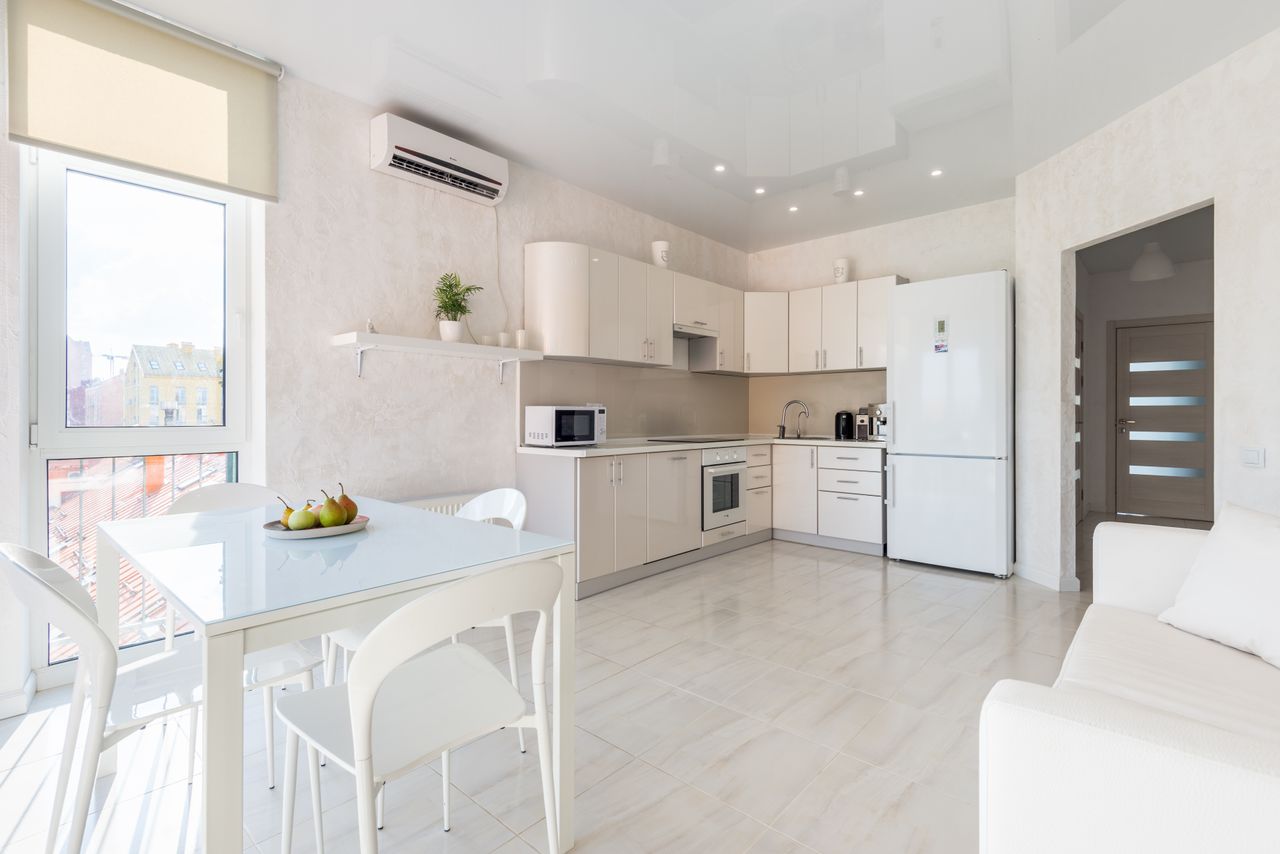
Travellers increasingly value the freedom to shape their own experience rather than following a fixed accommodation routine. For visitors who prefer flexible schedules, private spaces and greater control over daily decisions, self catering accommodation Cape Town can provide a practical alternative to traditional hotels. Instead of relying entirely on restaurant hours or fixed meal arrangements, guests can organise their stay around their own plans.
Independent travel often involves changing schedules. A day may begin with an early excursion, continue with sightseeing, and end later than expected. Having access to a private kitchen and living area gives travellers more flexibility when deciding when and where to eat, relax or prepare for the following day. This can make the accommodation itself feel more adaptable to the way they prefer to travel.
Self-catering properties can also suit different types of visitors, from couples and families to friends travelling together or people staying for an extended period. The appeal is not simply about having cooking facilities. It is about having a greater degree of independence throughout the stay, while still enjoying the convenience and comfort expected from quality accommodation.
Greater Freedom Over Daily Routines
One of the main reasons independent travellers choose self-catering accommodation is the freedom it provides. Hotel stays often come with established routines, particularly around breakfast and other meals. While these services can be convenient, they may not suit travellers whose plans change frequently or who prefer to decide when they want to eat.
A self-catering property allows guests to create a routine that fits their itinerary. Breakfast can be prepared before an early departure, lunch can be kept simple between activities, and dinner can take place whenever it suits the group. There is no need to organise the day around restaurant opening times or return to the property at a particular hour.
This flexibility can be particularly useful in a destination where travellers want to spend much of their time exploring. Someone planning a full day of sightseeing may prefer a quick breakfast and an evening meal at the accommodation, while another visitor may enjoy preparing a leisurely meal after returning from a day outdoors.
The additional independence can also make longer stays feel less restrictive. A room designed primarily for sleeping may become less comfortable when occupied for several days or weeks, whereas accommodation with separate living and kitchen areas can provide more variety throughout the day.
More Control Over Meals
Food is another important consideration for independent travellers. Eating every meal at restaurants can become expensive, inconvenient or repetitive, especially during longer stays. Having cooking facilities provides another option without requiring guests to prepare every meal themselves.
Travellers can purchase ingredients according to their preferences and prepare familiar foods when desired. This may be useful for families with children, people with specific dietary requirements, or anyone who simply prefers home-prepared meals from time to time. It also allows guests to make practical decisions based on their itinerary rather than treating every meal as a separate outing.
Self-catering does not mean that guests have to cook constantly. Instead, it gives them a choice. They can enjoy local restaurants, order food when convenient and prepare meals at the property on other occasions. That balance can make a trip feel more relaxed because visitors are not committed to a single dining arrangement.
For travellers who enjoy exploring local food markets, supermarkets and independent food shops, the kitchen can also become part of the travel experience. Buying local ingredients and preparing a simple meal can provide a different way to experience a destination without requiring an organised culinary activity.
A Practical Choice for Longer Stays
The benefits of self-catering accommodation often become more noticeable as the length of a trip increases. During a short weekend break, hotel services may provide everything a visitor needs. Over a week or longer, however, having additional space and facilities can become considerably more useful.
A longer stay can involve ordinary daily activities that are easy to overlook when planning a holiday. Travellers may need to store food, wash clothes, prepare meals, work remotely, organise luggage or simply spend some quiet time indoors. Accommodation that supports these activities can make an extended visit more manageable.
This is one reason independent travellers often look beyond the traditional hotel room. A property with a kitchen, dining area and separate living space can provide a stronger sense of normality while still allowing visitors to enjoy a temporary change of surroundings.
When comparing options, travellers should consider the facilities included rather than assuming every self-catering property offers the same level of convenience. Useful features may include:
- A properly equipped kitchen with suitable cooking utensils
- Refrigeration and food-storage space
- Comfortable seating and dining areas
- Laundry facilities or access to laundry services
- Reliable internet access where required
The importance of each feature will depend on the purpose and length of the trip. Someone staying for two nights may have little need for laundry facilities, while a visitor staying for several weeks may consider them highly practical.
Greater Privacy and Personal Space
Privacy is another factor that can make self-catering accommodation appealing. Independent travellers may prefer having a private space where they can relax without the more public atmosphere sometimes associated with shared hotel facilities.
Separate living areas can be particularly useful when several people are travelling together. Instead of everyone spending most of their time in one bedroom, guests can have different areas in which to read, work, eat or relax.
Families can also benefit from this additional space. Parents may appreciate being able to prepare meals or organise belongings while children have room to settle into a separate area. Similarly, friends travelling together can spend time socially without necessarily having to leave the property whenever they want a change of setting.
Privacy does not necessarily mean isolation. Many self-catering properties are located close to restaurants, attractions, shops and transport options, allowing travellers to remain connected to the destination while retaining control over their private environment.
Flexibility for Independent Itineraries
Independent travellers often build their days around personal interests rather than organised schedules. One day might involve sightseeing, while another could be devoted to visiting family, exploring neighbourhoods or simply taking a slower approach.
Accommodation that supports this type of travel can make those changes easier to manage. There is less pressure to maintain a particular daily routine, and guests can make decisions as their plans develop.
For example, a traveller may originally intend to eat out every evening but decide after a busy day that staying in would be more comfortable. With access to a kitchen and suitable living space, changing plans does not create a major inconvenience.
This flexibility is particularly valuable when travelling in a destination with a wide variety of activities. Visitors may want to spend long days away from their accommodation and then return for a quiet evening. Others may prefer alternating busy sightseeing days with slower periods spent at the property.
Potential Value for Different Travel Groups
Self-catering accommodation can serve different purposes depending on who is travelling. A couple may appreciate having a private kitchen and comfortable living area, while a family may place greater importance on space, food preparation and laundry facilities.
Groups of friends can also find practical advantages. Sharing a suitable property may provide communal areas where everyone can spend time together while still offering more flexibility than several individual hotel rooms.
For business travellers or people combining work with travel, a self-contained property may offer another useful arrangement. A comfortable table, dependable internet connection and quiet surroundings can make it easier to handle occasional work responsibilities without making the entire trip feel like a business stay.
The key consideration is whether the property matches the traveller's actual needs. More space is not automatically more useful if the location is inconvenient or the facilities do not suit the intended stay.
Choosing Accommodation That Matches Your Travel Style
The best accommodation choice depends heavily on how a person expects to spend their time. Travellers who plan to spend almost every waking hour exploring may prioritise location and transport access. Those expecting to spend more time at the property may place greater importance on living space, kitchen facilities and comfort.
Location should also be considered carefully. A property can offer excellent facilities but still be inconvenient if it requires excessive travel to reach the places a visitor wants to see. Checking nearby shops, restaurants, public transport and major attractions can help travellers understand how practical the location will be.
It is also worth checking what is actually included. Kitchen equipment, parking, Wi-Fi, cleaning arrangements and laundry facilities can vary considerably between properties. Reading the accommodation description carefully can prevent assumptions about what will be available after arrival.
For visitors considering self catering accommodation Cape Town has to offer, the same principle applies. Comparing the property's facilities, location and suitability for the planned itinerary can be more useful than focusing on accommodation type alone.
The Balance Between Independence and Convenience
Self-catering accommodation does not have to mean sacrificing convenience. In many cases, it simply changes where that convenience comes from. Instead of having meals prepared by hotel staff, guests have the convenience of preparing something themselves whenever they choose. Instead of relying on room-service schedules, they can organise their own routines.
This arrangement can appeal strongly to people who value autonomy while travelling. They can decide how much they want to cook, when they want to eat and how they want to use their accommodation. At the same time, they remain free to make use of the restaurants, cafés and other services available nearby.
There is also a psychological benefit to having a space that feels more personal during an extended trip. After several busy days, returning to a comfortable living area can provide a useful transition between exploring and resting. The accommodation becomes more than somewhere to sleep; it becomes a flexible base for the trip.
Ultimately, the appeal of self-catering lies in choice. Independent travellers can create their own schedules, prepare meals when convenient, enjoy greater privacy and make better use of their accommodation throughout the day. For short visits, these advantages may simply add flexibility. For longer stays, they can become central to making the overall experience comfortable and practical.
When accommodation allows travellers to decide how they eat, relax and organise their time, it can support a more personal style of travel. That independence is precisely what makes self-catering an attractive option for visitors who prefer to shape their own experience rather than follow a predetermined routine.