
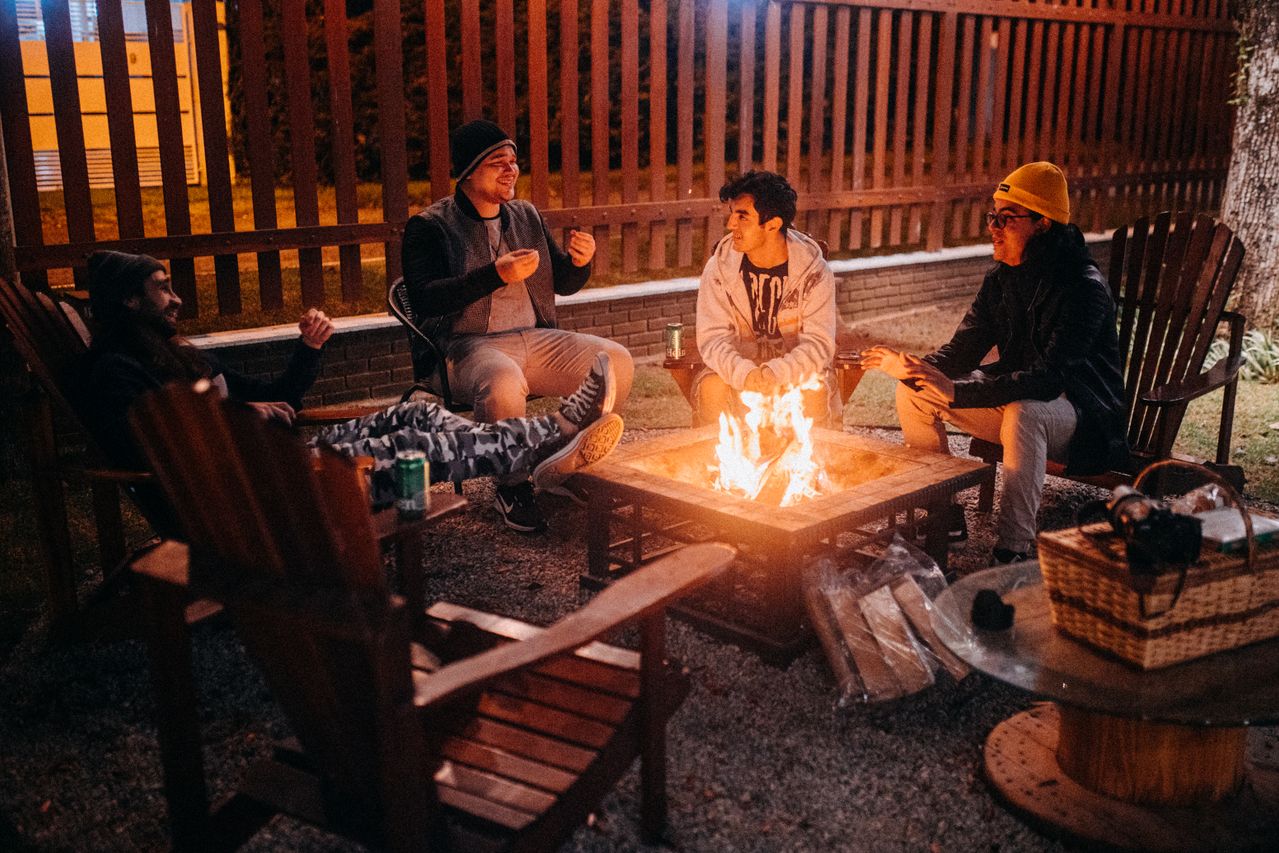
Outdoor spaces can be more than functional areas around a home. With thoughtful design, a garden, patio or entertainment area can become a welcoming place to relax, share meals and spend time with family and friends. Adding a fire feature is one way to create a natural focal point while bringing warmth and character to the surroundings.
In South Africa, outdoor living plays an important role in how many households use their gardens and patios. From weekend braais to quiet evenings outside, a well-designed fire pit can make these spaces more inviting throughout the year. The growing interest in handcrafted boma fire pits in South Africa also reflects an appreciation for outdoor features that combine practical use with traditional design and individual character.
Unlike mass-produced alternatives, handcrafted fire pits can introduce distinctive textures, shapes and finishes into a landscape. Their appearance can complement the architecture of a home while creating a dedicated gathering place that feels connected to its surroundings. Choosing the right design involves considering aesthetics, available space, maintenance and safety.
Creating a Natural Focal Point in the Garden
Every well-designed outdoor area benefits from a feature that draws the eye and gives the space a sense of purpose. A handcrafted fire pit can fulfil this role without overwhelming the garden or competing with other design elements.
Its shape, material and finish can help establish the overall atmosphere. A rustic stone structure may suit a natural garden, while a more refined design can complement contemporary paving, outdoor furniture and clean architectural lines.
Positioning also matters. A fire pit placed within a seating area can create a central point around which people gather. In larger gardens, it can help define a separate entertainment zone, making the outdoor layout feel more organised.
The key is to choose a feature that works with the existing environment rather than treating it as an isolated addition.
Bringing Traditional Boma Style Into Modern Homes
The boma has a strong association with South African outdoor living. Traditionally, it provides a defined space for gathering around a fire, sharing food and enjoying conversation. Modern interpretations retain this communal quality while adapting to different property sizes and design preferences.
Handcrafted boma fire pits can incorporate natural stone, brickwork, textured finishes or other materials that reflect the surrounding landscape. Their construction may also include distinctive shapes and detailing that make each installation feel individual.
This style can work in several settings, including:
- Family gardens: A central gathering area for relaxed evenings and weekend entertainment.
- Contemporary patios: A contrasting natural feature that softens modern materials and straight lines.
- Country properties: A rustic focal point that complements open landscapes and established gardens.
- Outdoor entertainment areas: A dedicated space for conversation after a meal or braai.
The most successful designs balance traditional character with the practical requirements of the property. A boma does not need to look elaborate to make an impression. Proportion, placement and suitable materials can be just as important as decorative details.
Choosing Materials That Complement the Surroundings
Materials influence both the appearance and long-term performance of a fire pit. They also determine how well the structure fits into the wider landscape.
Natural stone is often selected for its varied textures and earthy appearance. It can blend with garden walls, pathways and established planting. Brick offers a familiar, versatile finish, while concrete can provide a more understated look when paired with modern outdoor furniture.
However, appearance should not be the only consideration. Materials used in and around the fire chamber must be appropriate for repeated exposure to high temperatures. Ordinary decorative stone, concrete or masonry products may not be suitable for direct contact with fire, and some materials can crack or deteriorate under thermal stress.
When comparing designs, consider the following factors:
- Heat resistance: The fire chamber should use materials designed for the temperatures involved.
- Weather exposure: Outdoor structures need to withstand local rainfall, temperature changes and other environmental conditions.
- Surface texture: The finish should complement nearby paving, walls and landscaping.
- Maintenance requirements: Some materials need periodic sealing, repairs or other care to maintain their appearance.
A well-planned combination of structural and decorative materials can create a cohesive finish without compromising the fire pit's intended function.
Designing an Outdoor Space Around the Fire Pit
A fire pit can influence the arrangement of the entire entertainment area. Rather than installing one at the end of a project, it is worth considering how it will interact with seating, walkways, lighting and other outdoor features.
Seating should allow people to gather comfortably without placing furniture too close to the flames. The layout also needs clear access routes so that guests can move around the area without obstacles.
Paving or another suitable non-combustible surface can help define the fire pit zone. Surrounding plants, decorative pots and garden lighting can add visual interest, provided combustible materials remain at a safe distance.
The design should account for wind direction and ventilation as well. Smoke can make an otherwise attractive entertainment area uncomfortable, particularly when the fire pit is positioned near seating or neighbouring properties.
Thoughtful planning helps the feature feel like a natural part of the garden rather than an addition that disrupts its use.
Making Outdoor Gatherings More Inviting
One of the main attractions of a fire pit is the atmosphere it creates. The warmth and movement of a fire can encourage people to slow down, settle into conversation and spend more time outdoors.
Unlike bright overhead lighting, the glow of a fire introduces a softer visual element to an evening setting. Combined with comfortable seating and subtle garden lighting, it can make an outdoor entertainment area feel welcoming without requiring extensive decoration.
A fire pit can also support different activities. Some households use the area for relaxed conversation, while others incorporate it into broader entertainment spaces that include dining tables, braai facilities or outdoor kitchens.
The surrounding design should remain flexible enough to accommodate these uses. Furniture that can be moved, clear circulation areas and accessible storage for outdoor accessories can make the space easier to manage.
Although the fire may be the central attraction, the overall experience depends on how comfortably the surrounding area functions.
Balancing Style With Fire Safety
A beautiful outdoor fire feature must also be suitable for safe use. Before installation, consider the available space, local conditions and the manufacturer's or builder's guidance for clearances and construction.
The fire pit should be positioned away from buildings, overhanging branches, wooden decking, outdoor fabrics and other combustible materials. Exact clearance requirements depend on the design, fuel type and applicable local rules, so they should be confirmed before use.
It is also important to consider smoke, wind and the possibility of sparks travelling beyond the immediate fire area. A suitable spark screen may be appropriate for certain designs, but it does not replace safe positioning and supervision.
Good operating practices include:
- Keeping children and pets at a safe distance from the fire.
- Having an appropriate means of extinguishing the fire readily available.
- Never leaving an active fire unattended.
- Avoiding the use of petrol or other accelerants to start or intensify a fire.
- Allowing ashes and embers to cool completely before disposal.
- Checking local fire restrictions, particularly during dry or high-risk weather conditions.
A permanent installation should be assessed for suitable foundations, drainage and structural integrity. Where the design or site conditions are complex, advice from a suitably qualified professional can help identify potential problems before construction begins.
Maintaining the Appearance of a Handcrafted Feature
Regular maintenance helps preserve the appearance and usefulness of a fire pit. The level of care required will depend on its materials, construction and exposure to the elements.
Ash should be removed only after it has cooled completely. The surrounding area should also be checked for debris, while the fire chamber and exterior masonry should be inspected periodically for cracks, loose components or signs of deterioration.
Rainwater can affect certain finishes and may collect in poorly drained structures. Suitable drainage and weather protection, where appropriate for the design, can reduce avoidable wear.
It is also worth following any specific maintenance guidance supplied by the maker or installer. Using unsuitable cleaning products or applying coatings that are not intended for high temperatures can damage materials.
A little routine attention can help a handcrafted feature retain its character while making it easier to prepare for future gatherings.
Adding Lasting Character to South African Outdoor Living
Outdoor design works best when it reflects how a household actually uses its space. A compact patio may benefit from a simple, carefully proportioned fire feature, while a larger garden might accommodate a more substantial gathering area with built-in seating and complementary landscaping.
For homeowners exploring handcrafted boma fire pits in South Africa, the most important considerations are the relationship between design and setting, the suitability of construction materials, and the practical requirements of safe operation. These details help ensure that visual appeal is supported by thoughtful planning.
A well-integrated fire pit can become more than a decorative structure. It can give an outdoor area a clear identity, encourage people to spend time together and create a welcoming setting for everyday evenings as well as special occasions. When its design complements the property and its construction is suited to the environment, it can remain a distinctive part of the home's outdoor character for years to come.